BEFORE

What the Client Provided

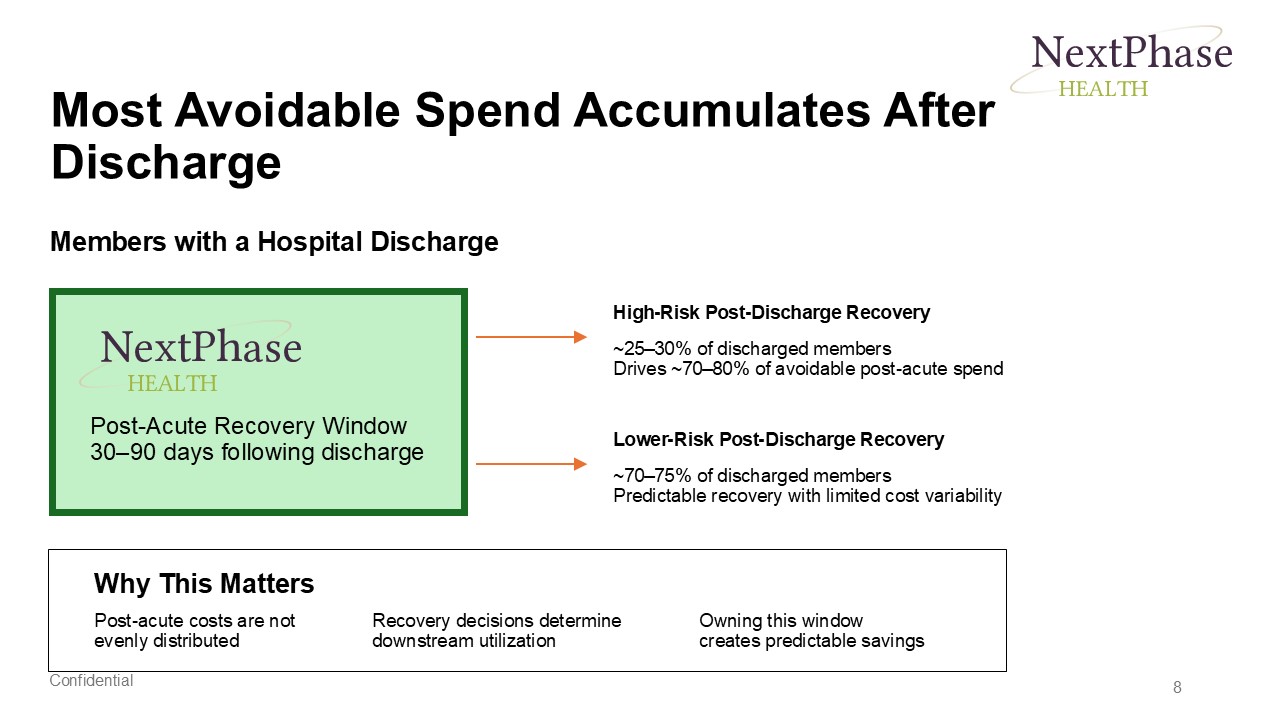
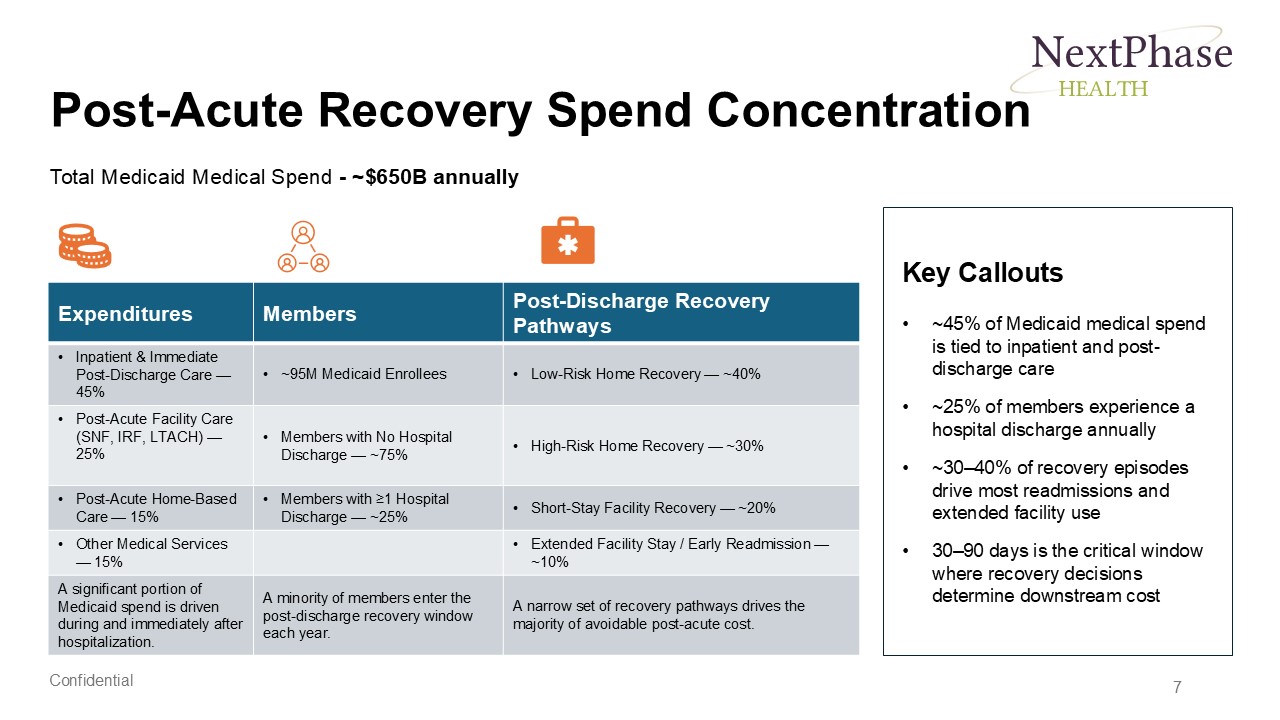
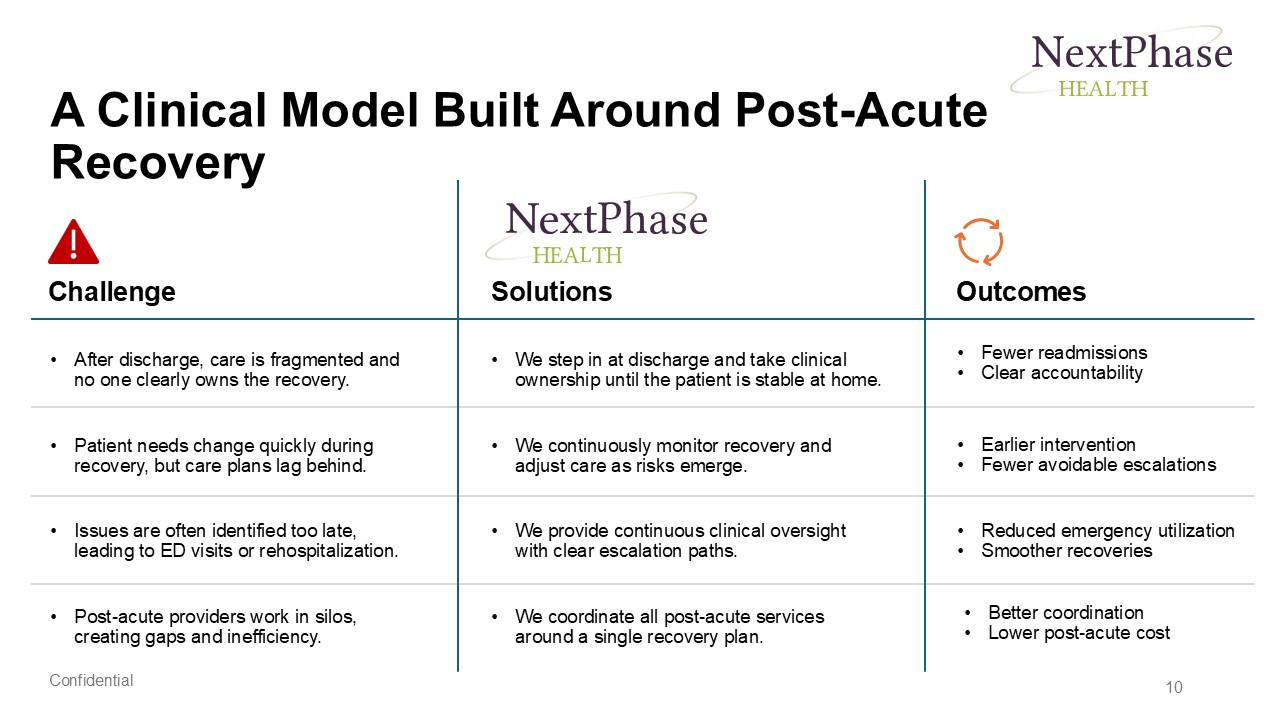
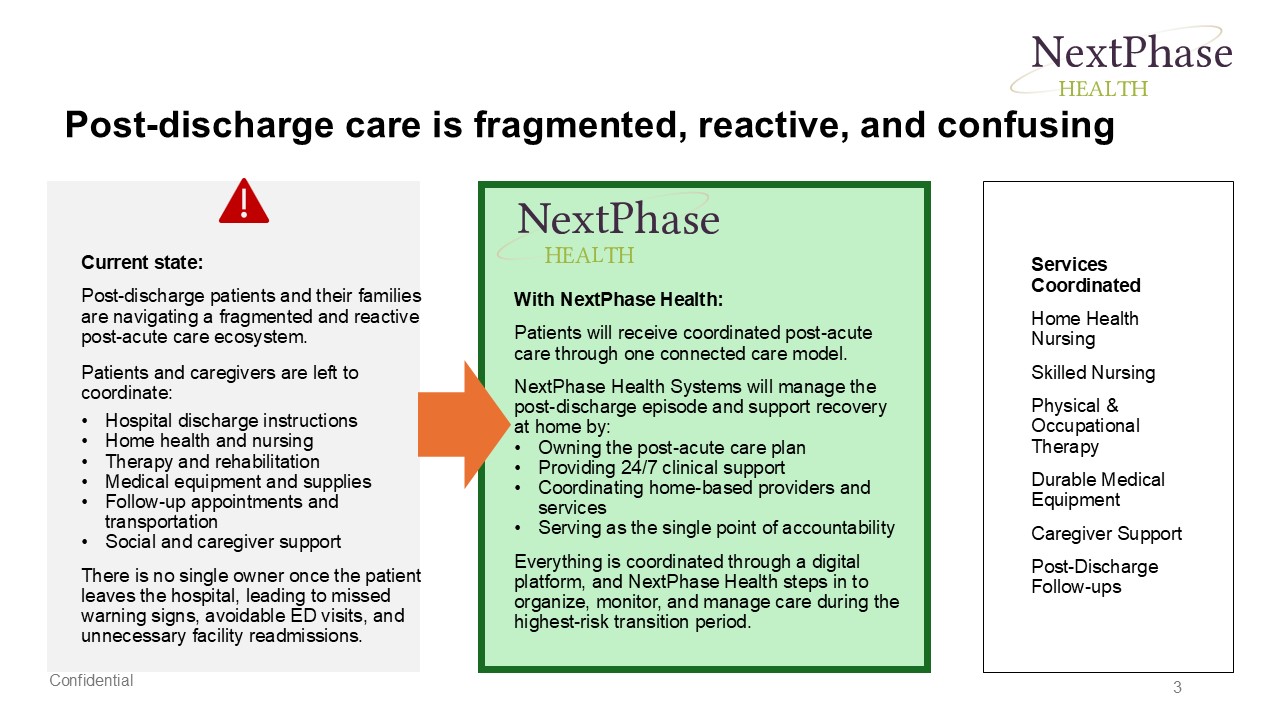
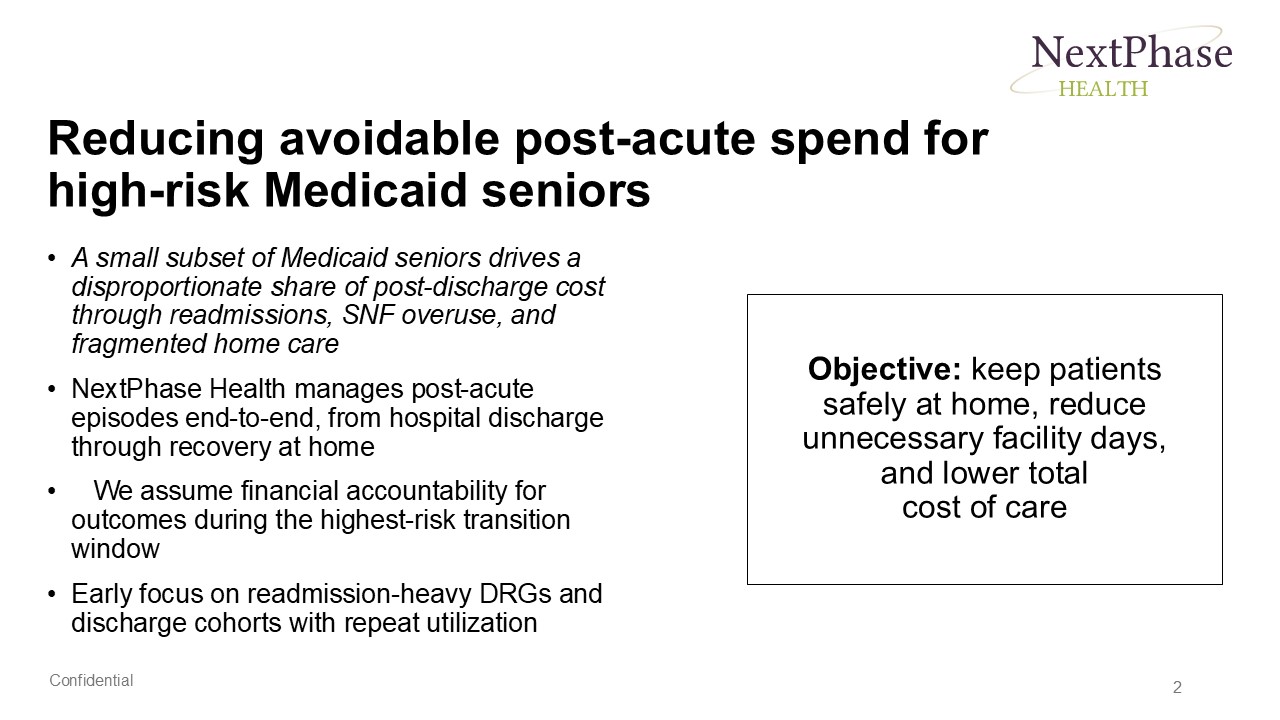
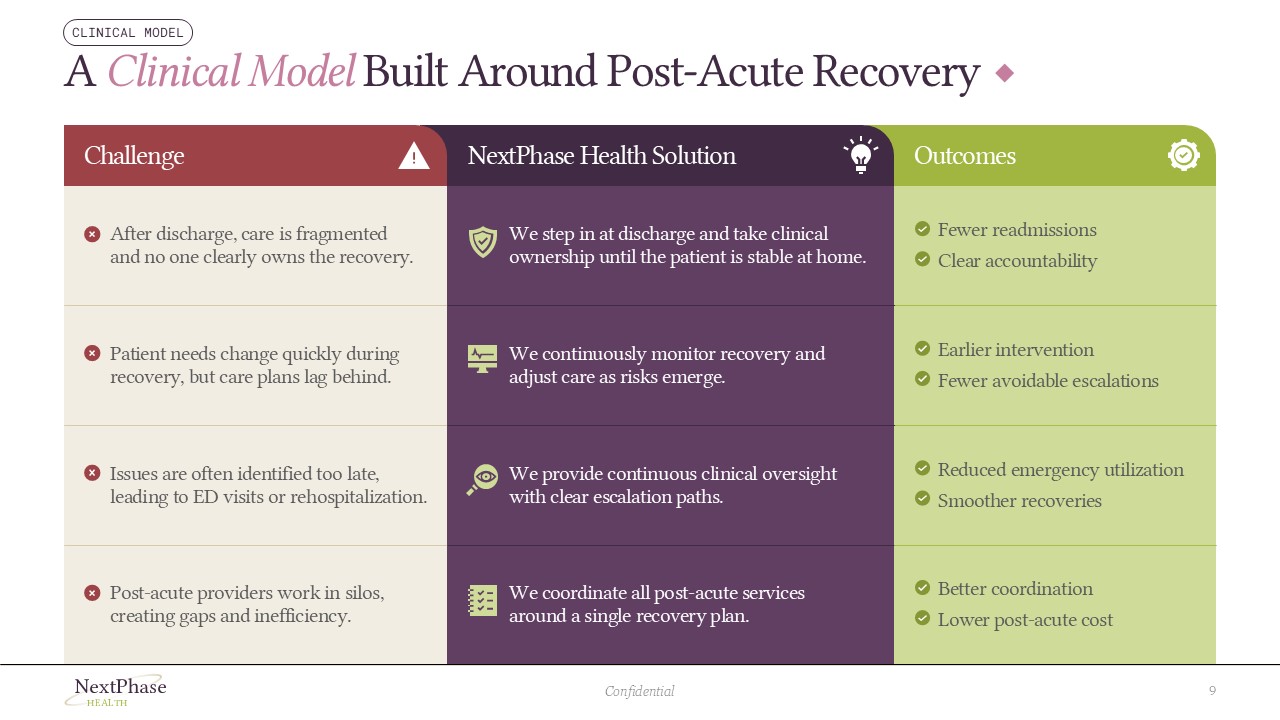
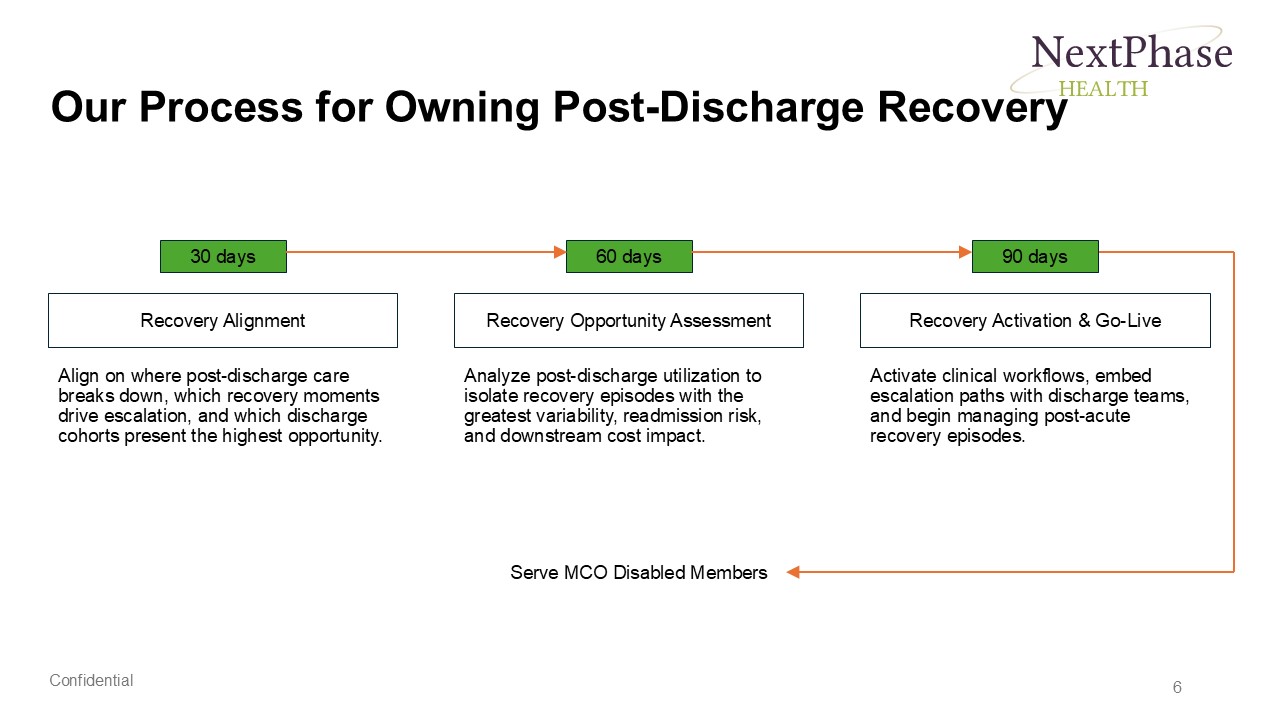
The client brought a 12-slide presentation with strong clinical thinking but significant design gaps. Every section was dense with bullet points and text with no visual support and white space. Mismatched generic icons undercut the quality of the clinical narrative underneath. There was no brand system, imagery, and data visualization.

Pain-Points

Dense Content

No Visual Hierarchy

Inconsistent

Weak Problem Framing

Before version of a Series A pitch deck cover slide for a neuroscience startup, showing a text-heavy healthcare investor presentation focused on blood–brain barrier drug delivery.Before company overview slide from a neuroscience Series A investor deck, featuring dense text blocks and limited visual hierarchy explaining a CNS drug delivery platformBefore problem slide in a neuroscience pitch deck, using text-heavy explanations and basic diagrams to describe blood–brain barrier challenges in CNS therapeuticsBefore slide from a neuroscience Series A pitch deck explaining the blood–brain barrier using dense text and conceptual framing without a clear investor-oriented visual hierarchy.Before core insight slide in a CNS therapeutics investor deck, combining text-heavy explanations and a basic scientific diagram to describe controlled access across the blood–brain barrier.Before platform overview slide from a neuroscience startup pitch deck, presenting a carrier-based brain delivery concept with minimal visual simplification and limited storytelling structure.
Step 1

Moodboard & Brand System

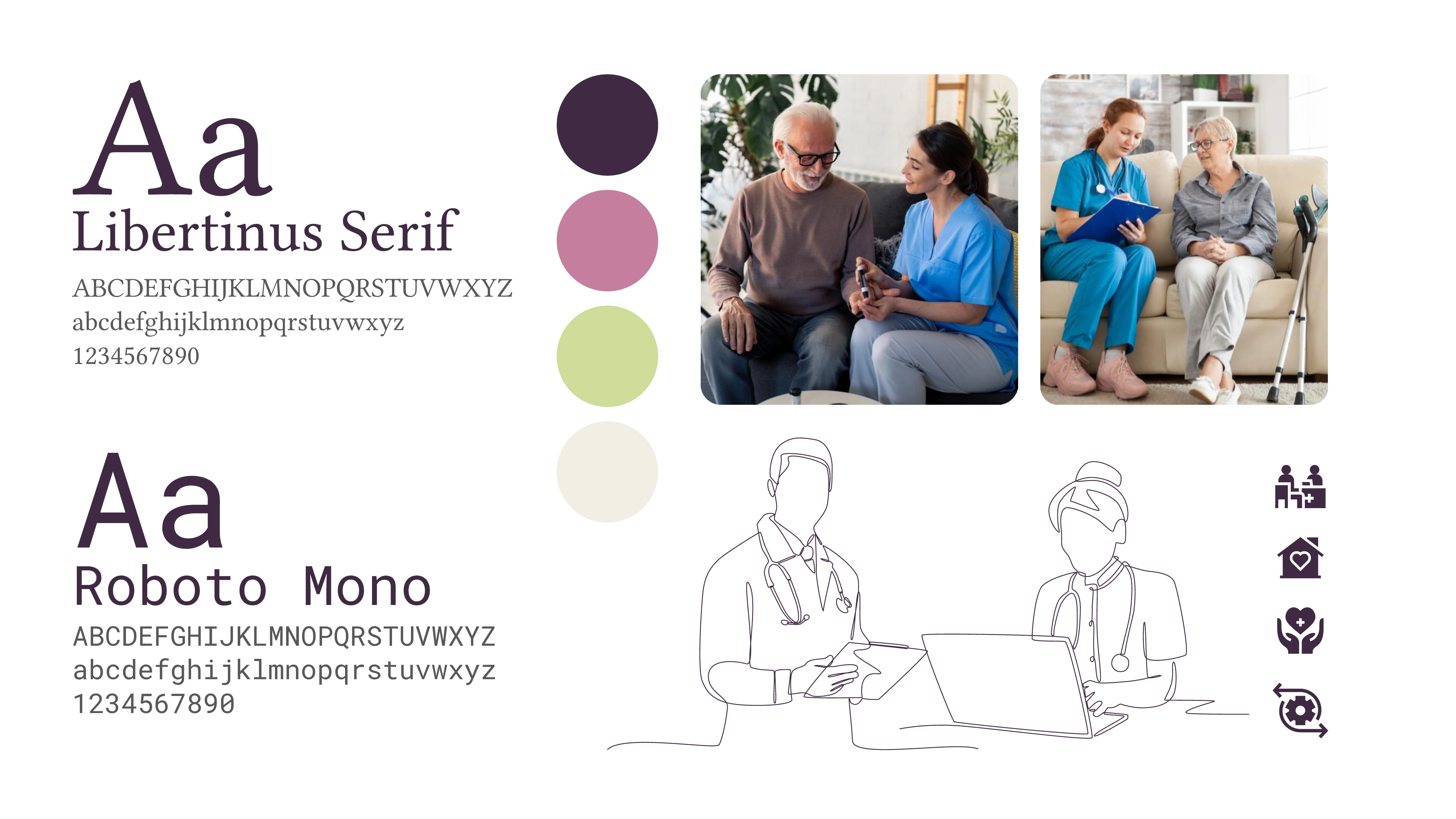
We started by building a visual direction that felt credible, clinical, and human. The moodboard explored a healthcare-focused design language with clean layouts, soft gradients, calm colors, and patient-centered imagery. This helped establish a brand system that could support complex medical information while still feeling approachable. Typography, icon style, colors, and visual treatments were aligned to create a consistent foundation for the full overview deck.

Before version of a Series A pitch deck cover slide for a neuroscience startup, showing a text-heavy healthcare investor presentation focused on blood–brain barrier drug delivery.
Step 2

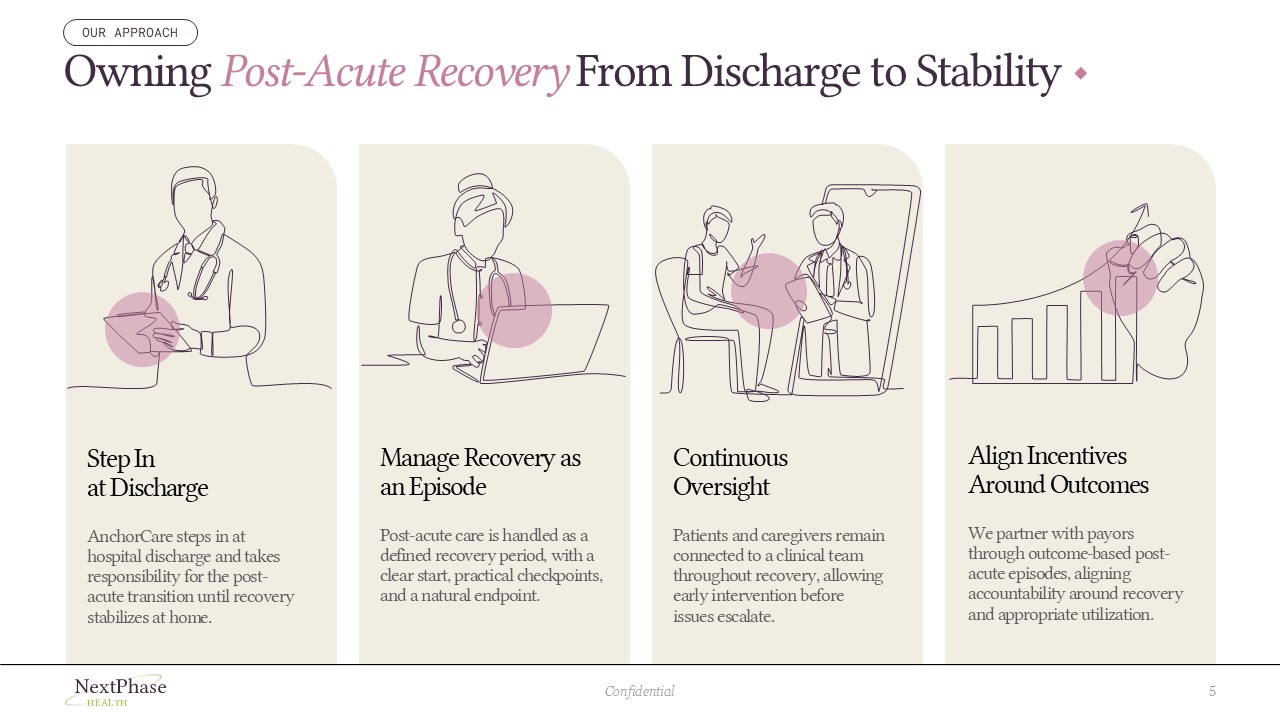
Custom Illustrations for the Clinical Pillars

NextPhase Health's four core clinical pillars needed a visual treatment that communicated care without feeling sterile. We created a series of custom line-art illustrations, each depicting a distinct care scenario: physician review, remote monitoring, video consultation, and data analysis. Each was paired with a muted rose accent circle, creating a consistent visual motif across the pillar slide. These replaced generic clip-art icons entirely and gave the clinical model presentation a character that signals design maturity.

Before version of a Series A pitch deck cover slide for a neuroscience startup, showing a text-heavy healthcare investor presentation focused on blood–brain barrier drug delivery.
STEP 3

Transforming Key Slides

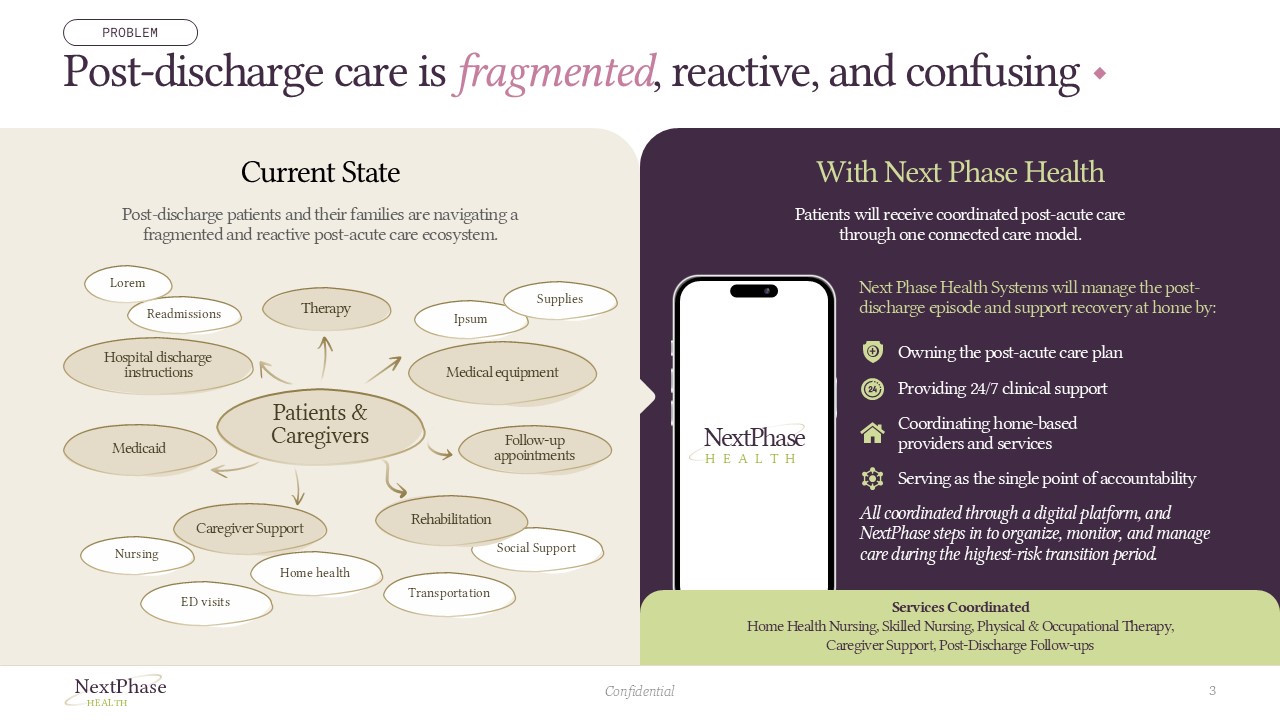
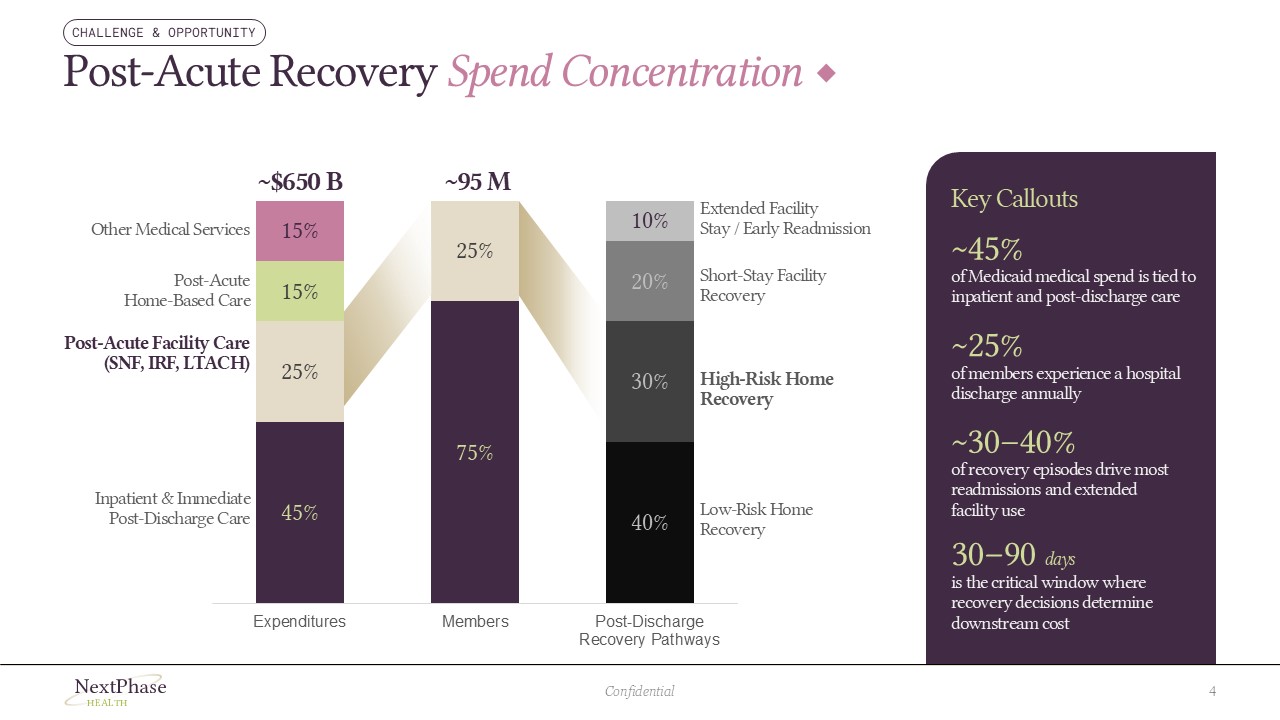
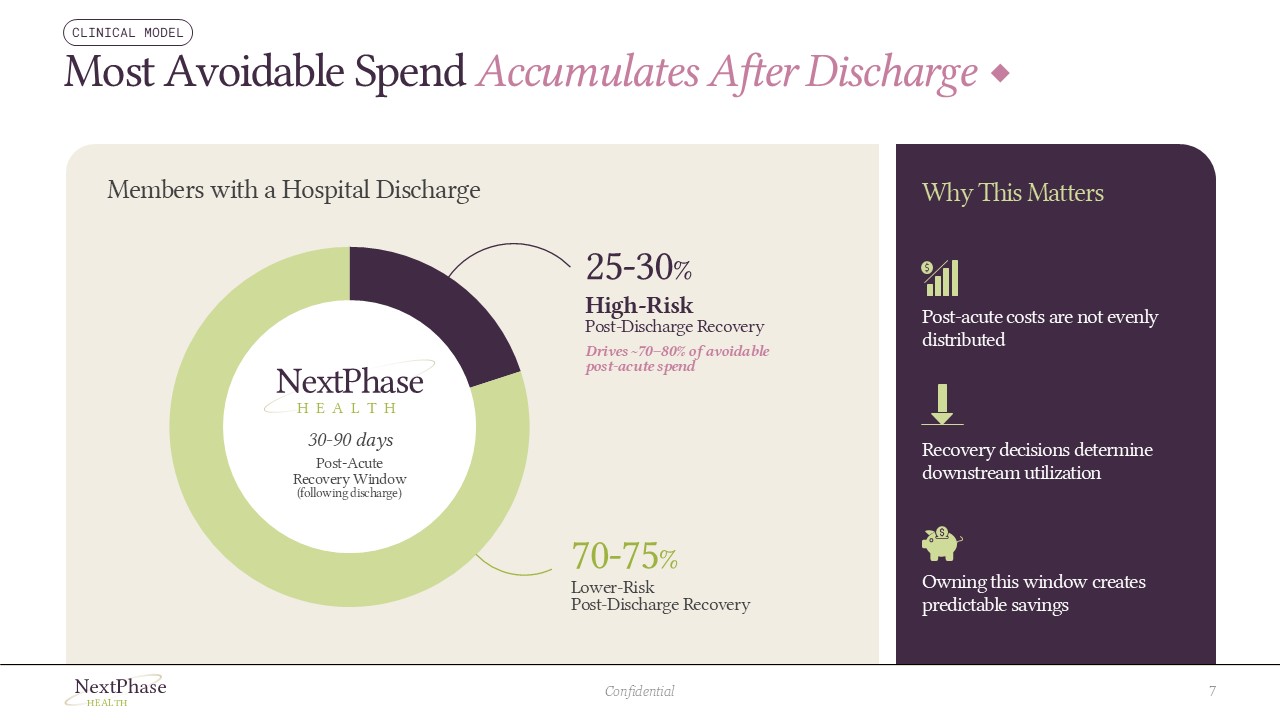
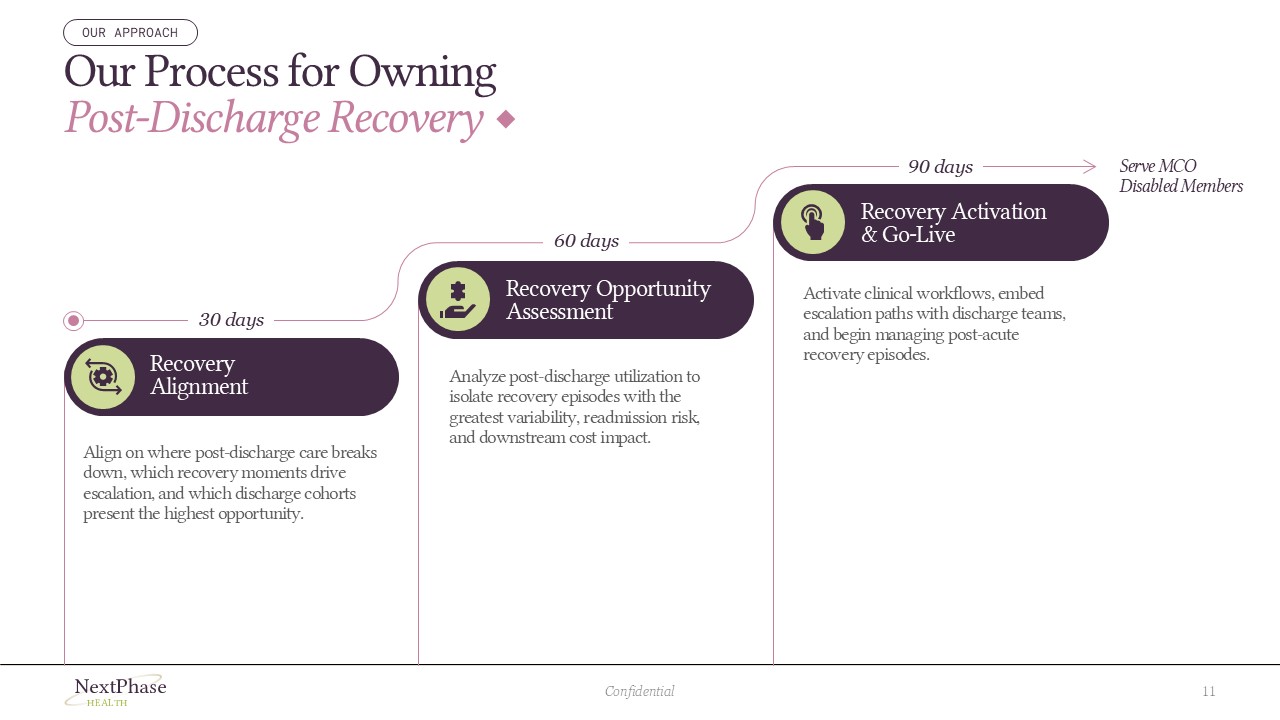
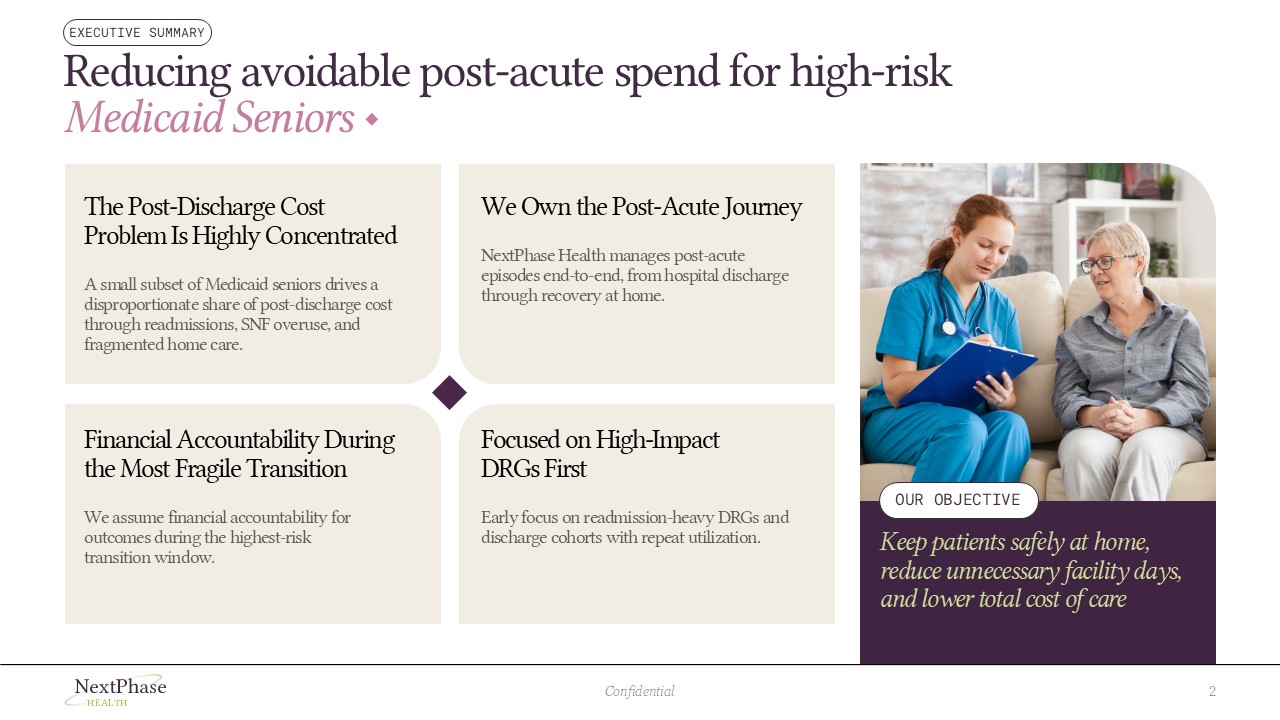
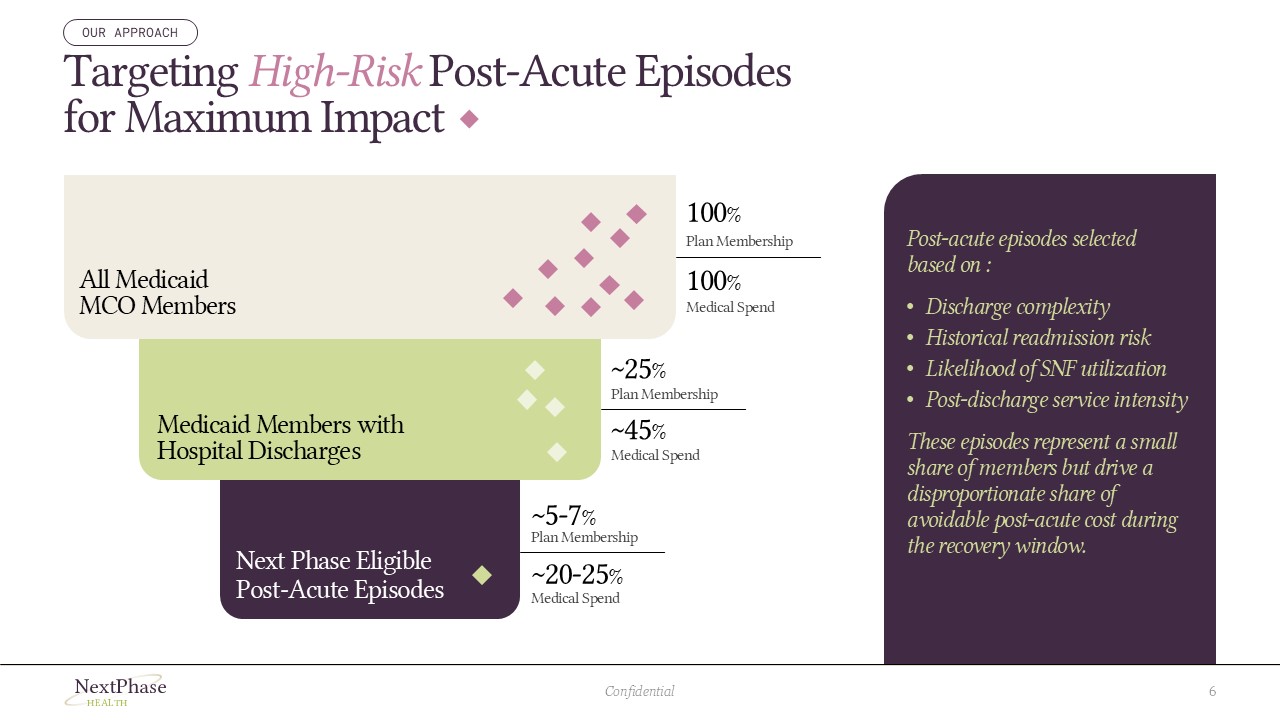
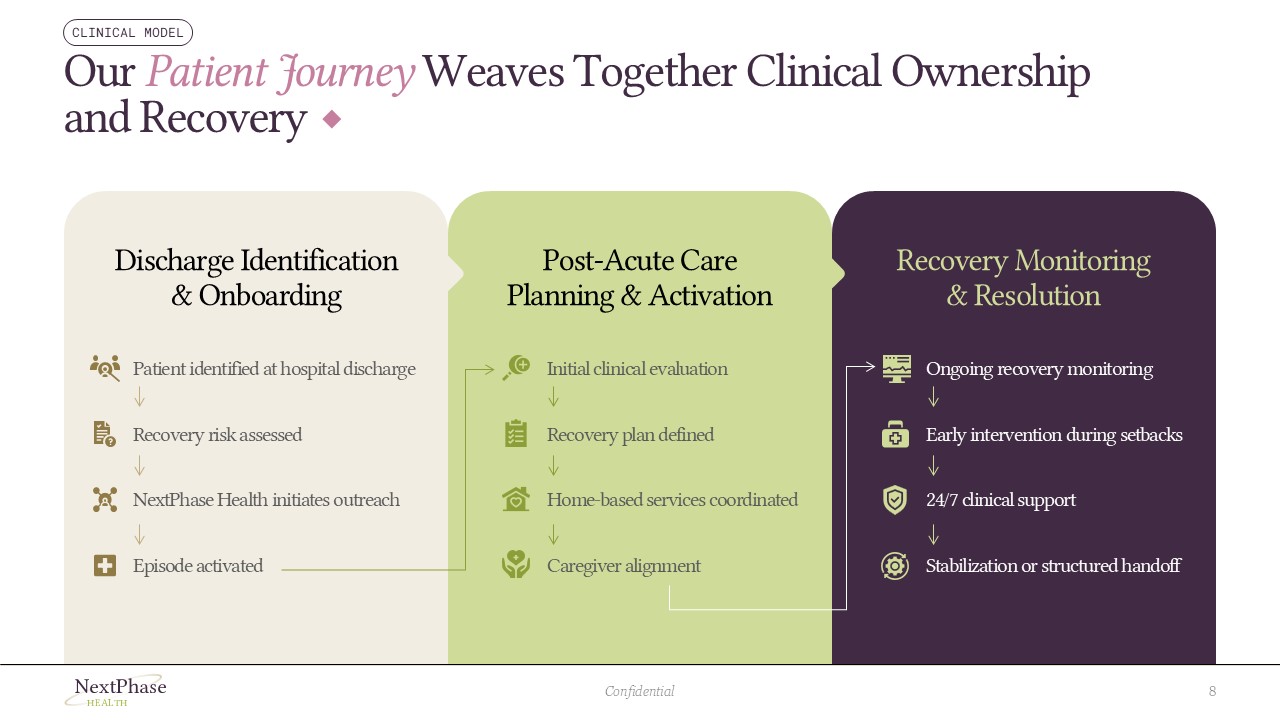
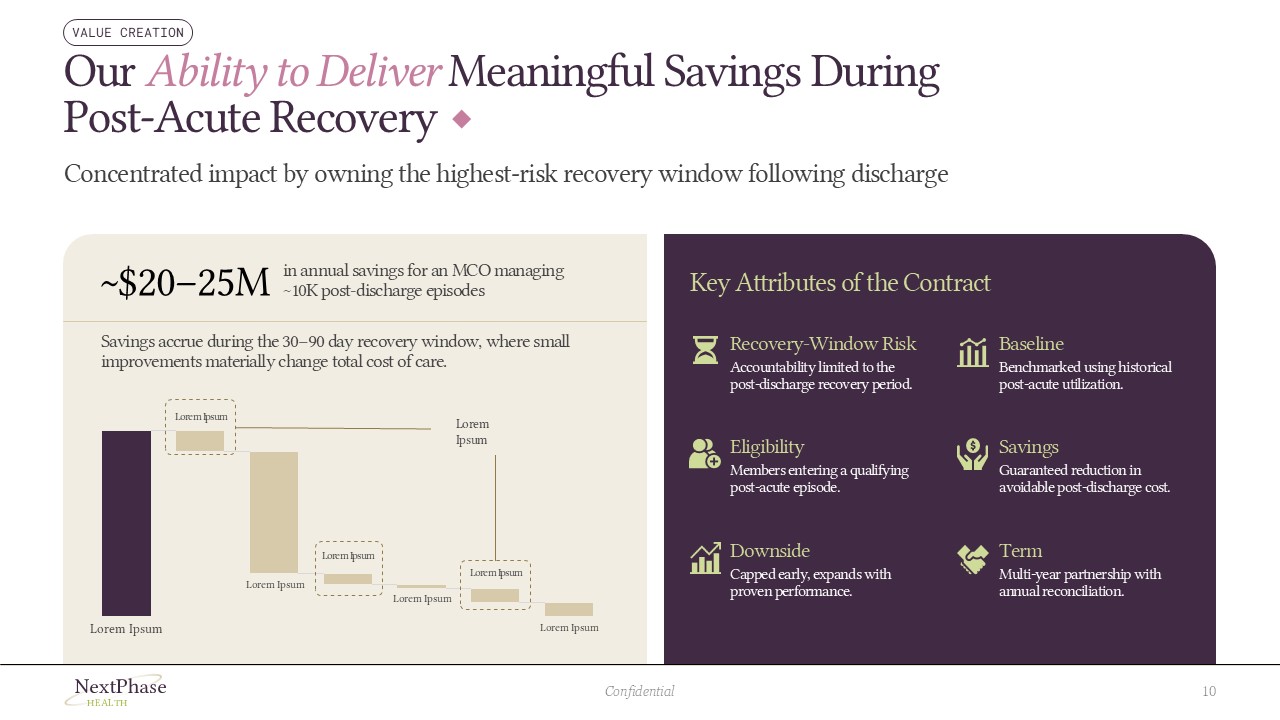
Every slide was rebuilt from structure up, following a clear healthcare storytelling design framework: problem framing, clinical model, data opportunity, patient journey, and value creation. The problem slide became a split-panel layout with a custom network diagram and a mobile device mockup, making the contrast between fragmented and coordinated care immediately visible. Data-heavy slides were redesigned with purpose-built chart treatments including a stacked bar chart, a donut chart, and a layered funnel approach. Every slide now earns its place in the narrative.

Improvements

Clear Hierarchy

Simplified Visuals

Custom Illustrations

Optimized Flow & Structure

Redesigned Series A pitch deck cover slide for a neuroscience startup, featuring a clear headline, refined visual hierarchy, and investor-ready illustration of CNS drug delivery across the blood–brain barrier.
Final Series A investor presentation cover for a CNS therapeutics company, showcasing simplified visuals and a clear narrative for a healthcare fundraising deck.
Redesigned problem slide in a neuroscience Series A pitch deck, visually explaining why most neuro drugs fail to reach the brain using simplified diagrams and investor-focused messaging.
Investor-ready problem framing slide from a healthcare pitch deck, highlighting CNS clinical failure rates and blood–brain barrier constraints through clear data visualization and storytelling.
Redesigned core insight slide in a neuroscience Series A pitch deck, clearly explaining why controlled access across the blood–brain barrier matters more than stronger CNS drugs.
Investor-ready core insight slide from a healthcare pitch deck, using a simplified blood–brain barrier illustration to explain controlled CNS drug transport.
Redesigned platform overview slide in a neuroscience startup pitch deck, introducing a carrier-based escort platform for brain drug delivery with clear visual sequencing.
Healthcare Series A investor slide visualizing a carrier-based brain delivery mechanism step by step, showing how therapeutics cross the blood–brain barrier safely.
Redesigned economic leverage slide in a CNS therapeutics pitch deck, explaining how internal programs and partner assets combine within a unified delivery platform
Investor-ready hybrid business model slide from a neuroscience Series A deck, illustrating internal programs and partner pipelines supported by a shared CNS delivery platform
Circular grid pattern composed of thin white intersecting lines on a black background.
AFTER

Final Series A Pitch Deck

The final deck positions digital health startups as a credible, design-mature care management platform. What was a dense 12-slide document became a cohesive, visually led healthcare overview presentation that communicates clinical complexity without overwhelming the audience. The healthcare storytelling framework applied throughout the deck creates a clear, accessible narrative structure, making the presentation easy to follow for a wide range of audiences, from patients and partners to clinical stakeholders and decision-makers. 

Final Series A pitch deck cover for a neuroscience startup, presenting a CNS drug delivery platform designed to enable precise delivery across the blood–brain barrier for investorsFinal company overview slide from a neuroscience Series A investor presentation, summarizing platform differentiation, CNS focus, and drug delivery capabilities in a clear, investor-friendly layout.Final problem slide in a healthcare Series A pitch deck, highlighting high clinical failure rates in CNS drug development caused by blood–brain barrier constraintsFinal explanatory slide from a neuroscience investor deck, visually illustrating how the blood–brain barrier acts as a selective gatekeeper in CNS therapeutics deliveryFinal core insight slide from a neuroscience Series A pitch deck, explaining that controlled access across the blood–brain barrier is more critical than stronger CNS drugs for successful deliveryHealthcare investor presentation slide highlighting a large underserved neurotherapeutics market, showing global CNS market size and delivery-limited opportunity for neuroscience startupsFinal platform mechanism slide in a neuroscience Series A deck, visually explaining a carrier-based escort system that enables safe drug delivery across the blood–brain barrierFinal team slide from a neuroscience investor pitch deck, presenting leadership expertise across CNS research, clinical development, and drug delivery executionFinal economic leverage slide from a neuroscience Series A pitch deck, illustrating a hybrid model combining internal CNS programs and partner assets powered by a shared drug delivery platformHealthcare investor slide comparing delivery-limited neuro drugs with controlled brain access, demonstrating improved clinical potential through validated blood–brain barrier transportFinal pipeline slide in a neuroscience Series A investor presentation, outlining a delivery-first CNS development pipeline across discovery, preclinical, and clinical stagesFinal milestones slide from a healthcare pitch deck, showing clear 24–36 month validation points for blood–brain barrier transport and CNS platform expansion